
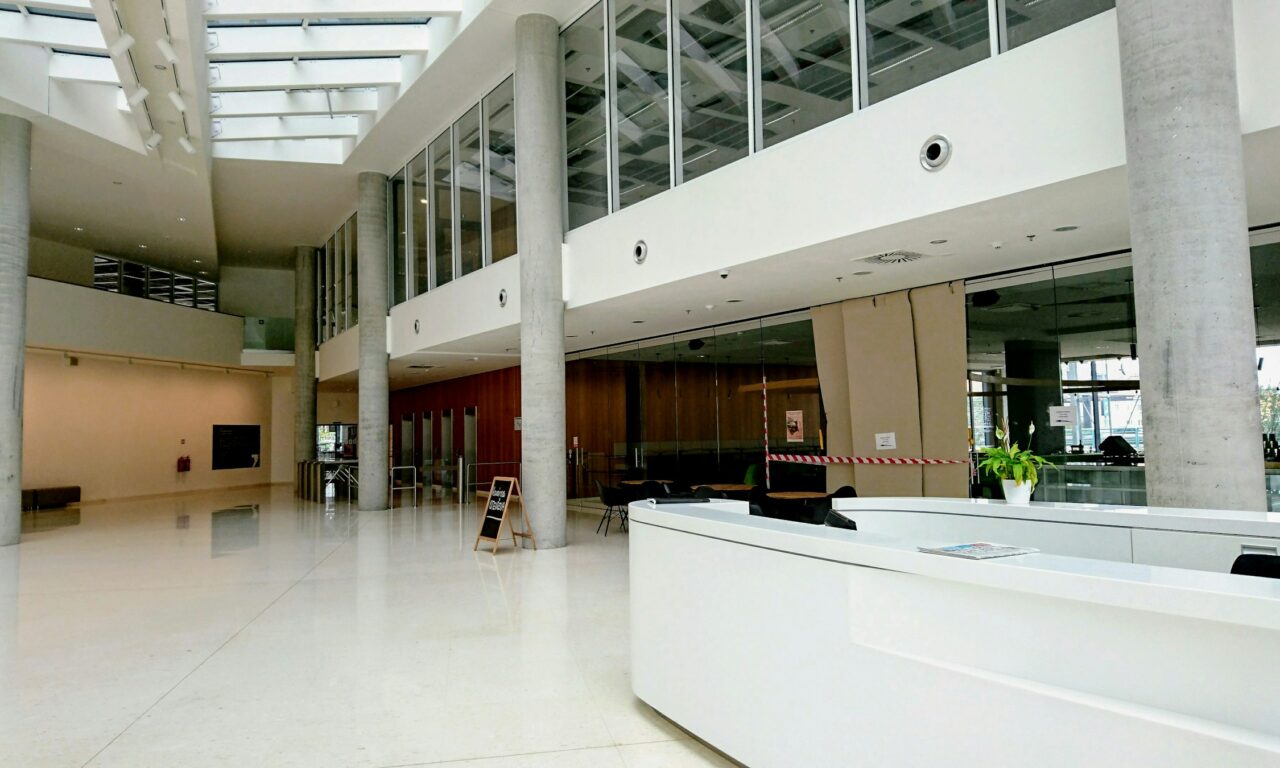
In the race for growth, startups pour enormous resources into perfecting their digital presence, from sleek user interfaces to targeted ad campaigns. But a user’s experience often goes beyond the screen and into the physical world. This is where many brands either solidify their promise or break it entirely. A smooth transition from online engagement to offline interaction isn’t just a nice-to-have anymore; it’s crucial for building a loyal customer base.
The Full User Journey: Online to Offline
Every time a customer interacts with your brand, that’s a touchpoint. We often focus on digital touchpoints like social media ads, email newsletters, and website visits, but the journey frequently ends up in a physical space. Imagine a customer who finds your direct-to-consumer brand online, places an order, and then visits your pop-up shop to pick it up. Or a new member who signs up for your fitness app and then walks into your partner gym for the first time.
These hybrid journeys are becoming the norm. The initial online experience sets an expectation, but the physical interaction is what confirms it. A clunky, confusing, or unpleasant offline experience can undo all the goodwill you’ve built digitally. Understanding the full map of marketing touchpoints helps you spot potential friction and make sure your brand’s promise stays consistent from the first click to the final handshake.
First Impressions: The Physical Touchpoint
The moment a user steps into your physical space (whether it’s an office, a retail store, or an event booth) is a moment of truth. This first physical impression is powerful because it engages all the senses, creating a much richer and more memorable experience than a screen ever could. The layout, the lighting, the sounds, and even the smells all contribute to how a user subconsciously judges your brand. This highlights why brand visibility still matters in a digital-first world.
Picture a user who loves your beautifully designed fintech app, which promises simplicity and security. If they’re then sent to a cluttered, poorly lit third-party office to verify their identity, the disconnect is jarring. The trust and professionalism the app communicated are immediately undermined by the physical reality. This one negative touchpoint can be enough to make a user abandon your service, no matter how great your digital product is.
How Design Influences Perception and Trust
The design of your physical environment does more than just set a mood; it actively shows your brand’s values and builds trust. A clean, organized, and well-lit space signals professionalism and competence. Thoughtful details, like comfortable seating or clear signage, show that you care about the user’s experience. This isn’t just about how things look; it’s about environmental psychology.
Beyond aesthetics, how safe a space feels is a powerful, often subconscious, factor in building trust. Professional frameworks like CPTED (Crime Prevention Through Environmental Design) show how smart design choices in lighting, sightlines, and access control can make users feel secure. This directly translates to confidence in your brand. When users feel safe and comfortable in your environment, they’re more likely to relax, engage with your brand, and develop a positive association that lasts long after they leave.
Optimizing Real-World User Funnels
Just as you optimize your digital conversion funnel, you also need to design and refine your real-world user funnel. This means mapping out every step a user takes in your physical space and finding ways to improve it.
Start by looking at the process through your user’s eyes:
- Finding their way: How easy is it for someone to find your location? Once inside, is the path to their destination clear? Simple, well-placed signage can prevent frustration and make the experience feel effortless.
- Atmosphere: Does the environment match your brand identity? The music, decor, and overall vibe should feel like a natural extension of your digital presence.
- Staff interaction: Your team is the most important part of your physical experience. Make sure they’re trained not just on process, but on embodying your brand’s voice and values in their interactions.
- Flow and bottlenecks: Watch how people move through your space. Are there areas where people get stuck or confused? Fixing these bottlenecks can dramatically improve the overall experience.
By actively managing these physical elements, you can guide users smoothly through their offline journey. This reinforces their decision to choose your brand and turns a one-time interaction into a long-term relationship.
The most successful startups understand that a user’s experience doesn’t end with a click. By thoughtfully designing their physical touchpoints, they build a level of trust and loyalty that digital-only strategies simply can’t replicate.
This is a contributed post.
Discover How We Help Startups Scale To 100,000 Users And Beyond.
Enter your info below, and we’ll send you a complimentary white paper that shows you exactly what you need to do to scale your startup.
