
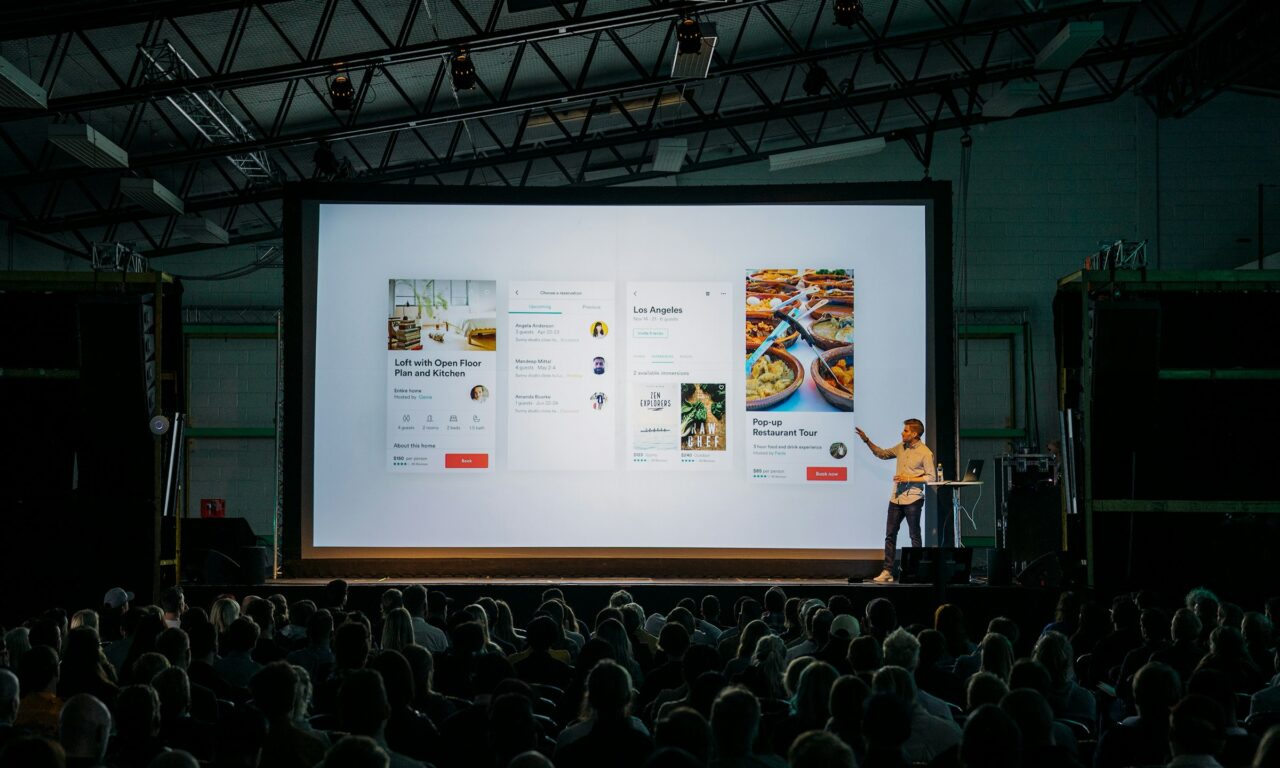
Launching a startup is more of a marathon than a sprint. The moment you go live is a huge step, but what happens before and after that day will truly decide whether you’ll make a lasting mark or disappear. A great launch is a carefully planned effort to build excitement, show value, and create steady momentum.
This guide walks through the key stages of launching a startup, turning an idea into a company with a real presence. From refining your initial concept to developing a robust launch strategy, understanding each phase is crucial for building a successful and impactful business.
The Pre-Launch Hype Cycle
Long before launch day, build anticipation. The goal is to gather a community of followers who aren’t just aware of your brand, but are genuinely excited for it to arrive. Tease your solution on social media without giving everything away. Share behind-the-scenes glimpses of your team, hint at the problem you’re solving, and use countdowns to make it feel special.
Connecting with potential customers and influencers in your niche at this stage is incredibly valuable. One real way to build hype is to focus on authenticity and community instead. This creates a situation where people are ready to click “buy” the second you go live.
Crafting Your Launch Message
Your message is the heart of your launch. It must be clear, short, and engaging, instantly telling people who you are, what you do, and why it matters. Before writing anything, answer three questions:
- What specific problem does your product or service solve?
- What makes you unique compared to competitors?
- Who is your ideal customer, and what kind of language do they respond to?
Your launch message appears consistently across your website, social media profiles, press releases, and all marketing materials. Skip the industry jargon and focus on user benefits. Instead of saying “We’ve developed a synergistic B2B SaaS platform,” say “Our software helps your team finish projects twice as fast.”
A strong message tells a story that casts your audience as the hero, with your startup providing the tool they need to succeed, much like how racing hero cards tell athletes’ stories.
Professional Collateral for Outreach
As you build hype and prepare your message, prepare the materials that represent your brand. A well-designed digital press kit is crucial for media outreach. It includes your logo, founder bios, high-resolution product images, and a fact sheet. You can also add a tagline to your business to give people a quick sense of what your brand offers.
Don’t forget the power of physical items. When meeting a potential investor, partner, or key customer, memorable collateral makes a big difference. Having these materials prepared in advance ensures a professional appearance and readiness for any opportunity.
Making a Splash at Events
An online or in-person launch event is a great way to get attention and celebrate your milestone. A virtual launch on a platform like LinkedIn Live or YouTube reaches a global audience, letting you demo your product, host a Q&A with the founders, and offer exclusive launch-day promotions, while avoiding common mistakes startups make.
For a local business, an in-person event creates significant buzz and builds goodwill in the community. Team up with another local business, offer free samples or trials, and create an experience people will want to share on social media. Make the event valuable and enjoyable time for everyone who attends.
Post-Launch Momentum
The weeks after your launch are just as important as launch day. Respond to customer feedback, questions, and reviews, and share positive testimonials or user content to build trust. Keep creating useful content that helps customers get more from your product.
Pay attention to early results like website traffic, conversions, and customer acquisition costs. This data can help you improve your marketing, product, and overall strategy.
A successful launch is only the beginning. Build on that momentum, keep listening to your customers, and stay focused on long-term growth.
This is a contributed post.
Discover How We Help Startups Scale To 100,000 Users And Beyond.
Enter your info below, and we’ll send you a complimentary white paper that shows you exactly what you need to do to scale your startup.
