
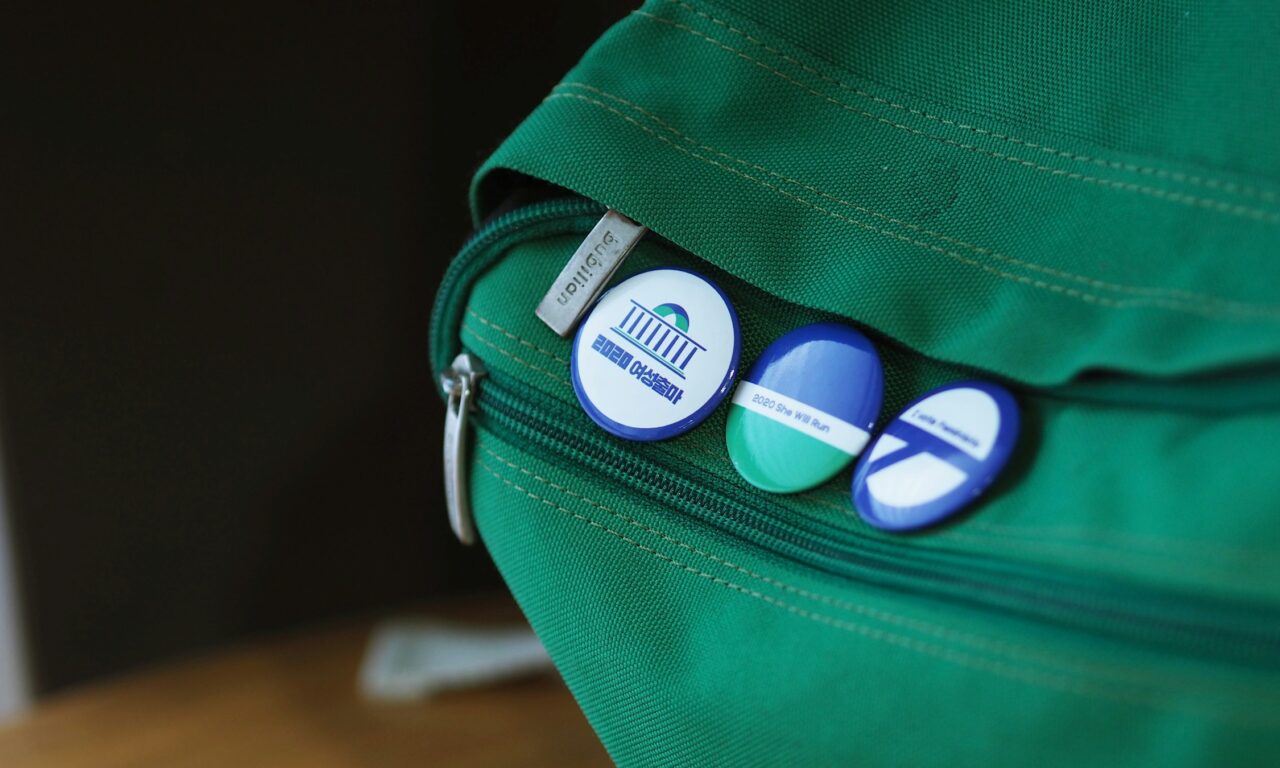
Event badges shape how attendees recognize people, remember sponsors, and interact with a brand long after registration. A standard printed badge handles identification, but a thoughtfully designed custom badge can do much more. It can start conversations, guide activity, and give attendees a physical reminder of the experience.
For marketers, that creates a valuable opportunity. The right design connects event logistics with brand storytelling, turning an item every attendee needs into a meaningful part of the event.
Why badges influence brand perception
Attendees often receive their badges before they see a keynote, visit a vendor table, or speak with a representative. That early interaction makes the badge a visible expression of the event’s quality. Thin materials, hard-to-read text or inconsistent colors can create a weak first impression. Clear typography and polished production signal greater care.
Badges also appear throughout the venue and in event photos. A recognizable shape, color palette or lighting pattern can help the brand remain visually consistent across hundreds of small interactions. Guidance on attendee badge impact also shows how design and functionality can support networking, access and attendee engagement.
Choosing a badge people will remember
Start with the behavior you want to encourage. A business conference may need a professional badge that helps attendees identify names and roles from several feet away. A product launch could benefit from an interactive design that prompts visitors to stop at a demonstration table. A technology event might use programmable lighting to mark session tracks or recognize completed activities.
For an experience built around interaction, Custom Event Badges can include electronic circuit boards, RGB LEDs, and custom firmware. Organizers can also explore prototypes before manufacturing a larger quantity. Set the desired action, production volume and event date early so the design team can assess complexity and create a practical schedule.
Connect the badge to the wider campaign
A badge works best when it feels connected to the rest of the marketing program. Use the same core colors, visual motifs, and message across invitations, signs, presentation slides, and follow-up materials. This repetition helps attendees connect each touchpoint to one recognizable identity.
Printed materials still have a useful place in that system. These event print strategies explain how physical pieces can support a coordinated campaign before, during and after an event. The same principle applies to badge packaging and instruction cards. For more ideas on maintaining recognition across physical products, see this guide to using custom labels for brand visibility.
Build interaction into the experience
Interactive features need a clear purpose. Lights that change when an attendee reaches a booth can encourage exploration, while a simple button-controlled pattern can create an easy conversation starter. At a multi-track conference, different colors might represent design, engineering, and leadership sessions.
Keep the interaction easy to understand. Attendees shouldn’t need several minutes of instruction before they can participate. Add a short explanation to the registration email, badge insert, or event app. Staff should test the experience from an attendee’s perspective, including activation, visibility under venue lighting and expected operating time. A clever feature delivers more value when people can use it immediately.
Measure more than distribution
Badge quantity tells you how many people checked in, but it doesn’t show how the design affected engagement. Choose measurements that reflect the badge’s purpose. If it directs people to vendor tables, compare traffic at participating locations. If it supports a challenge, record completion rates. Post-event surveys can ask whether attendees found the feature useful, memorable, or easy to operate.
Pay attention to qualitative signs too. Photos shared online, questions directed to staff, and requests to keep the badge can indicate genuine interest. Gather that feedback within a few days of the event while details remain fresh. The findings can guide future design changes, from brighter labels to simpler controls.
Plan production around real event conditions
Bring event operations into the design process before approving a prototype. Check badge dimensions against lanyards, clips and registration materials. Confirm that names and roles remain readable in crowded spaces. If a badge has electronic features, determine how staff will store, activate and distribute each unit.
Schedule time for testing as well as manufacturing. A prototype should be reviewed under typical venue lighting and worn for at least as long as a normal event day. Test several units instead of relying on one sample. This reveals small problems with comfort, visibility, or instructions before they affect hundreds of attendees.
A memorable event badge succeeds when branding and function support the same experience. Give it one clear job, test that job under realistic conditions, and make the design recognizable at a glance. Attendees will then carry a useful part of the event with them, not another disposable registration item.
This is a contributed post.
Discover How We Help Startups Scale To 100,000 Users And Beyond.
Enter your info below, and we’ll send you a complimentary white paper that shows you exactly what you need to do to scale your startup.
