
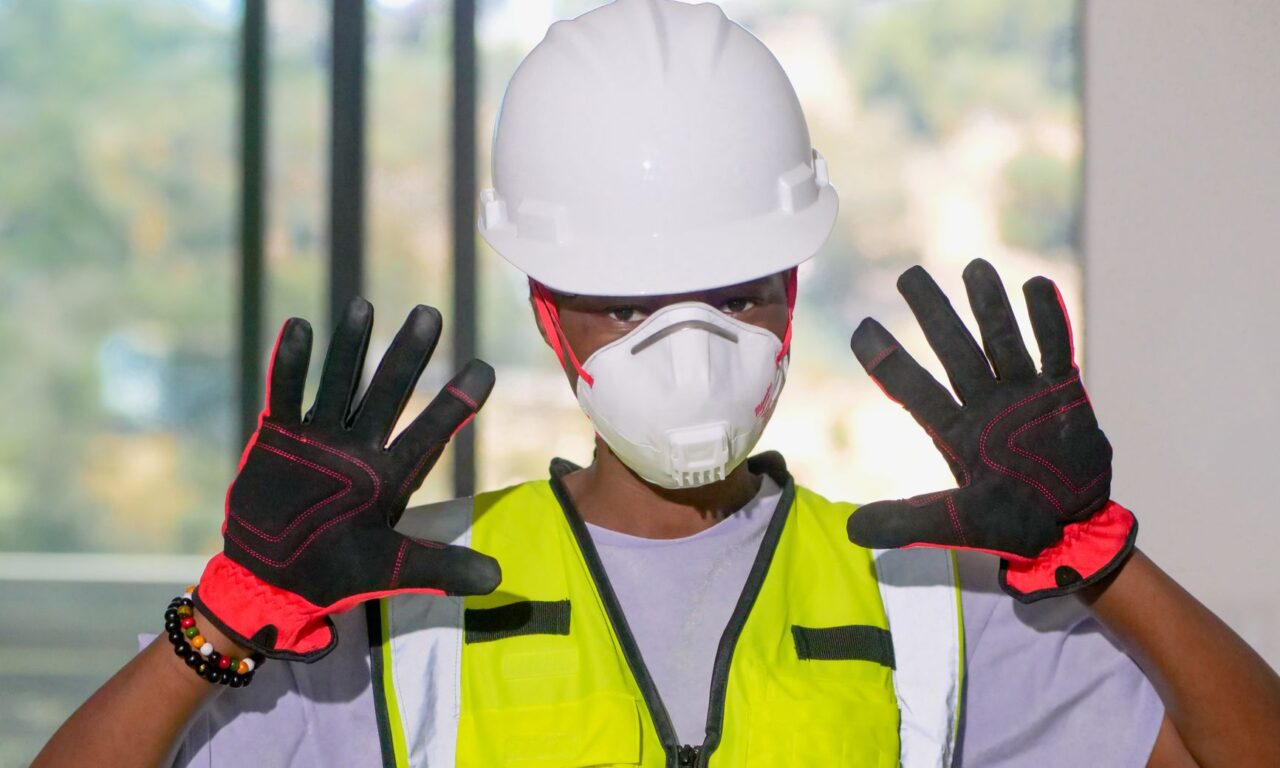
For any growing business, employee safety can feel like just another item on a compliance checklist. But if you only see it as a box to tick, you’re missing a big opportunity. Looking out for your team is one of the smartest investments you can make. It directly boosts productivity, morale, and your long-term success. A smart safety plan does more than help you avoid fines; it becomes a key part of how well your company runs and clearly shows that you value your people.
Beyond Compliance: A Strategic Asset
Meeting basic rules is the bare minimum. Real leaders know that being proactive about safety is a smart move that makes the whole company stronger. When you build a business where people truly feel safe and cared for, you create trust and stability. This improves your brand’s image, not just with customers but also with potential new hires.
A good safety record says a lot about your company’s skill, attention to detail, and ethical standards. It makes you a more appealing partner and employer, showing that your business is well-managed and forward-thinking. It shows that you take care of your team’s well-being.
Reducing Workplace Incidents
Every workplace incident, even small ones, costs money both directly and indirectly. The direct costs are obvious: medical bills, workers’ compensation claims, and repairs. But the indirect costs are often more damaging. These include lost work time from stoppages, hours spent investigating and reporting incidents, and a drop in team morale.
Over time, many incidents also lead to higher insurance rates. By using effective workplace safety programs, you switch from reacting to problems to preventing them. This focus on prevention steadily lowers risks, making operations more predictable and efficient for everyone.
Investing in Robust Safety Gear
Showing you’re serious about safety means taking real action, like providing the right equipment for the job. This goes beyond standard items and requires careful examination of specific tasks and their dangers. Investing in good, well-kept gear tells your team that their safety is important. In a warehouse or factory, this means anything from proper personal protective equipment to special attachments, like forklift safety cages that let people work safely at heights. Giving your team the right tools not only prevents injuries but also helps them do their jobs more confidently and efficiently.
Fostering a Culture of Well-being
Equipment alone doesn’t make a workplace safe; people do. To truly build a culture of well-being, safety needs to be a shared responsibility, built into your company’s daily routines. This means regular training, clear ways to communicate, and empowering every employee to spot and report potential dangers without fear of getting in trouble. When leaders consistently show that safety comes first, even over tight deadlines, it sends a strong message. This kind of culture encourages everyone to be watchful and work together, making every employee an active part of keeping the environment secure.
Impact on Employee Retention
Employees can tell if their employer genuinely cares about their well-being. A safe work environment is one of the most basic ways to show you value your team as people, not just as workers. Companies that put safety first often have less employee turnover because their staff feel respected and secure. The connection between how safety drives retention is clear: when people feel safe, they’re happier at work and more loyal. Keeping experienced staff saves you a lot of money on hiring and training new people, and it keeps valuable company knowledge within your team.
Ultimately, a safe workplace isn’t just an expense; it’s a core part of a strong and successful business. When your team feels secure, they’re able to do their best work, moving your company forward.
This is a contributed post.
Discover How We Help Startups Scale To 100,000 Users And Beyond.
Enter your info below, and we’ll send you a complimentary white paper that shows you exactly what you need to do to scale your startup.
