
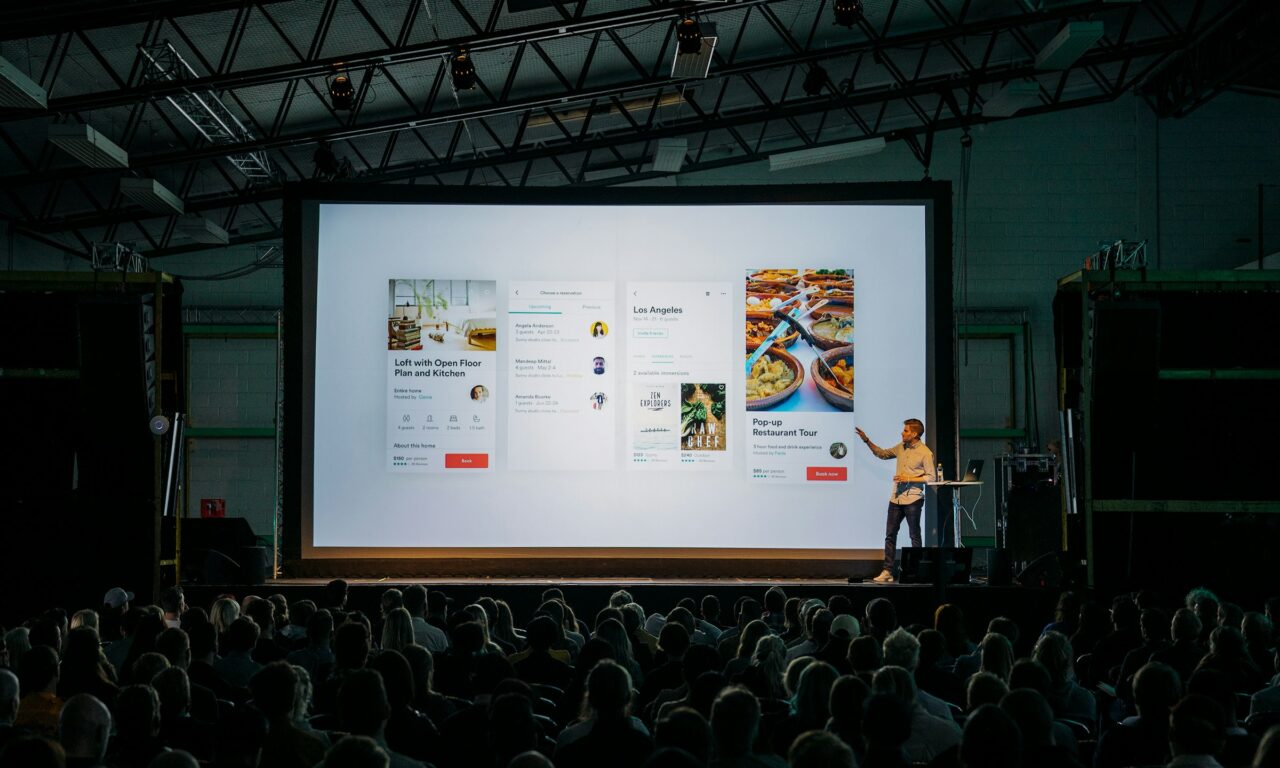
A well-executed launch event can really kickstart a new business. It turns an abstract idea into something real and creates brand buzz. This is your chance to make a great first impression, create early buzz, and connect directly with the people who matter most: potential customers, investors, partners, and the media. It’s more than just a party; a launch event is a smart marketing tool that sets the tone for your brand and builds momentum from day one.
Why Events Matter for Startups
In today’s highly connected environment, the value of face-to-face interaction cannot be overstated. A launch event gives your startup a physical presence and a human voice. It’s a chance to tell your story in a powerful, multi-sensory way that a website or social media post just can’t match. More broadly, hosting events can help grow your business by increasing exposure, generating leads, and giving potential customers a more personal connection to your brand.
For new companies, these events do a few key things. First, they build community. Bringing people together creates a shared experience and makes them feel like they belong to your brand. Those first attendees can become your biggest fans. Second, events create valuable content. Photos, videos, testimonials, and social media buzz from your launch can be used for weeks or months afterward, making your investment last longer and reach more people.
Third, they offer a unique way to network. You can have honest conversations with potential investors, get direct feedback from early users, and build relationships with journalists in a relaxed, controlled setting. By making the most of startup events, you create a powerful cycle of press coverage, new users, and investor interest that can really speed up your growth.
Planning Your Startup Launch Event
Successful events don’t just happen; they come from careful planning. The first step is to figure out your main goal. Are you trying to get media coverage, attract your first 100 users, or impress a specific group of angel investors? Your goal will guide every other decision, from who you invite to where you hold the event.
Once you know your goal, you can start on the main parts of your plan:
- Budget: Be realistic about what you can spend. Your budget will decide how big your event can be, including the venue, food, entertainment, and decorations. Keep track of every expense, and set aside an extra 10-15% for unexpected costs.
- Marketing: You need to promote your launch event to create the right buzz, and this involves calling upon a range of tactics. Capture the local audience with custom event banners that you can display around town or at the event venue itself. Then, head online and utilize anything from social media marketing to influencer partnerships so people know about your launch. A press release is a must in this situation as well – this helps you make a few headlines leading up to the launch and after, too.
- Guest List: Pick your guests based on your main goal. If you want media buzz, focus on journalists, bloggers, and influencers. If you want new users, invite people from your target audience. For fundraising, a smaller, more exclusive gathering of pre-qualified investors works better.
- Venue and Date: Choose a venue that fits your brand’s personality. A tech startup might pick a modern co-working space, while a lifestyle brand could go for an art gallery or a unique restaurant. Pick a date and time that will get the most people from your target audience to show up, avoiding major holidays or other big industry events.
- Theme and Experience: How do you want guests to feel and what do you want them to remember? Design an experience that tells your brand’s story. This includes everything from the invitations and decor to the music and food. These startup event management ideas can help you create a consistent and memorable atmosphere.
Ensuring Flawless Event Logistics
The little things often make the difference between a good event and a great one. Smooth logistics ensure your guests have an easy, fun time, letting your brand message shine through without distractions. Your logistics checklist should cover everything from check-in to when people leave. A simple registration process is the first interaction, so make it quick and easy with digital check-in tools.
Staffing is another crucial part. Make sure you have enough team members or volunteers to handle registration, answer questions, guide guests, and deal with any problems that come up. Everyone on your team should know your product and the event schedule well. Also, audio-visual equipment needs to be tested thoroughly before guests arrive. A microphone cutting out during the founder’s speech or a presentation that won’t load can stop the event’s momentum completely.
Finally, don’t forget the power of atmosphere. Decorations, lighting, and even the room’s layout all add to the overall vibe. Something as simple as branded balloons or creative installations can turn a plain space into an immersive brand experience. To do this without a hitch, you need reliable partners. For decorations that need helium, for example, working with a reliable helium supplier is essential to make sure your displays look great and last throughout the event. Smooth logistics free you up to focus on what really matters: connecting with your guests.
Measuring Event ROI and Engagement
Your work isn’t done when the last guest leaves. To justify the investment and improve future efforts, you need to measure your launch event’s return on investment (ROI). This starts with tracking metrics directly tied to the goals you set during planning. If your goal was media coverage, count the number of articles, mentions, and interviews you secured. If it was getting new users, track sign-ups that came directly from the event, perhaps using a unique promo code or QR code.
Beyond these hard numbers, look at engagement metrics. Monitor social media for your event hashtag to see what people are saying and how far it reached. How many people posted about your event? What was the tone of their posts? You can also send out a survey to attendees after the event to get direct feedback. Ask them what they enjoyed most, what they learned about your product, and how likely they are to recommend your brand. This qualitative data is just as valuable as the numbers.
Finally, track the long-term impact. Did the event lead to meaningful conversations with investors that continued in the following weeks? Did the initial users acquired at the event stay active? Learning how to maximize networking events includes understanding how to follow up and build on the connections you made. Analyzing both immediate and long-term results helps you get a clear picture of your event’s success and make smarter decisions for the next one.
A thoughtfully planned and creatively executed launch event does more than just announce your arrival; it builds the foundation for lasting relationships and steady growth.
This is a contributed post.
Discover How We Help Startups Scale To 100,000 Users And Beyond.
Enter your info below, and we’ll send you a complimentary white paper that shows you exactly what you need to do to scale your startup.
