
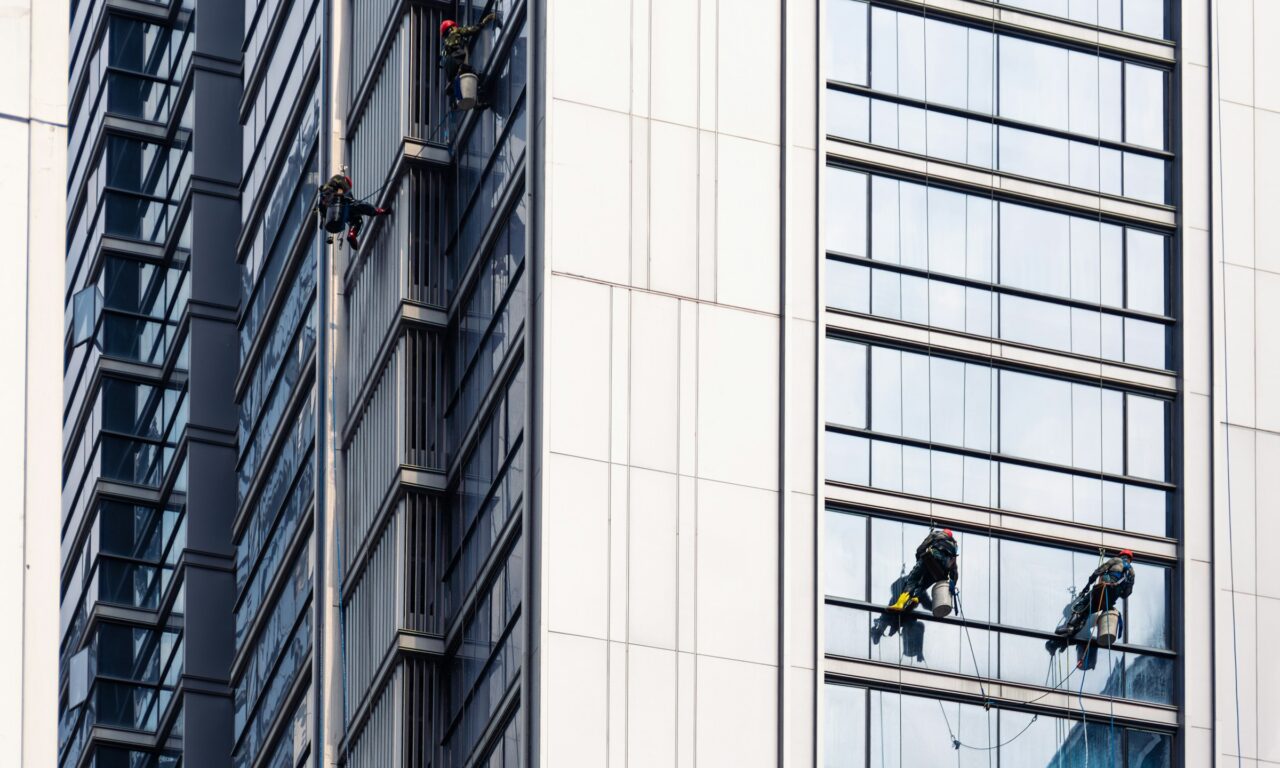
Environmental damage can turn a minor facility issue into an expensive business interruption. Water intrusion, chemical spills, extreme temperatures, and prolonged sunlight can weaken surfaces long before the damage becomes obvious. Protecting a commercial property requires an accurate view of its exposure, suitable materials, and a maintenance schedule that catches early warning signs. The effort pays off through fewer emergency repairs, safer working conditions, and a longer service life for valuable assets.
Common Environmental Threats to Facilities
Moisture is one of the most persistent threats to commercial facilities. It can enter through roof seams, loading areas, cracked floors, and poorly sealed wall joints. Over time, water intrusion can cause mold growth, corrosion, and damage to stored goods or electrical systems.
Chemical exposure, ultraviolet light, temperature fluctuations, and heavy foot or vehicle traffic can also degrade surfaces. Outdoor pollutants introduce additional cleanup costs and liability concerns, making pollution risk management an important part of facility planning. Properly planning and maintaining a facility’s physical infrastructure can also help reduce operational inefficiencies and prevent avoidable disruptions.
Inspect the property after storms and seasonal temperature changes. Look for peeling finishes, standing water, discoloration, and cracks. Reviewing broader business risks alongside routine inspections can help identify vulnerabilities before they lead to costly repairs or interruptions.
The Financial Fallout of Neglecting Protection
Deferred protection often costs more than planned maintenance. A small floor crack may allow moisture to reach the base layer, turning a surface repair into full removal and replacement. Water damage can also halt production, spoil inventory, or force employees out of affected areas.
Environmental problems may create legal and financial exposure beyond the repair bill. Federal guidance on environmental liability shows why contamination can affect property values and business lending decisions.
Businesses that distribute or sell branded protective coatings also need dependable formulations and consistent production capacity. An ASTC polyurea manufacturer can support contractors, distributors, and end-users seeking private label polyaspartic or pure polyurea systems with custom formulations, flexible packaging, and scalable order quantities.
Advanced Solutions for Weatherproofing
Start weatherproofing by sealing gaps around doors, windows, vents, and utility openings. Check roof drainage and clear gutters before the wet season to keep water away from the structure.
High-performance coatings protect suitable surfaces from moisture, abrasion, and chemicals. Polyaspartic systems offer quick return to service, while pure polyurea provides durable protection. Choose based on surface condition, traffic, temperature, and cure time.
Before application, test moisture levels and repair structural defects. Even durable coatings can fail on damp, contaminated, or unstable surfaces.
Long-Term Durability Means Long-Term Savings
Durable protection reduces the frequency of shutdowns and major replacement projects. For example, resurfacing a busy warehouse aisle may require moving inventory, redirecting staff, and pausing deliveries. Extending that surface’s working life can avoid repeating those indirect costs every few years.
Compare solutions using total ownership cost instead of the initial price alone. Include surface preparation, labor, cure time, expected service life, and future maintenance. A cheaper finish that needs frequent recoating may cost far more over a decade.
Keep product specifications, warranties, and installation records in one place. Those documents help maintenance teams use compatible repair materials and give insurers or prospective buyers a clearer account of how the facility has been protected.
Strategic Maintenance for Asset Preservation
Create an inspection schedule based on exposure. High-traffic floors may need monthly checks, while roofs, exterior joints, and drainage systems should be reviewed at least seasonally and after severe weather. Record each defect with a dated photo, its location, and the action taken.
Set clear repair thresholds so small issues don’t sit unresolved. Active leaks, lifting coatings, and widening cracks deserve prompt attention. Minor surface wear can enter the next planned maintenance window if the substrate remains protected.
Assign responsibility to a named employee or service provider and review recurring damage each quarter. If the same doorway keeps admitting water, repeated patching won’t solve the drainage or sealing problem behind it. A reliable maintenance record turns those patterns into specific projects, helping you protect the facility before the next storm tests its weakest point.
This is a contributed post.
Discover How We Help Startups Scale To 100,000 Users And Beyond.
Enter your info below, and we’ll send you a complimentary white paper that shows you exactly what you need to do to scale your startup.
