
 |
Independent hotels that ignore the corporate market leave serious revenue on the table. Business travelers book year-round.
They also influence future bookings through company recommendations.
So it makes sense that capturing this segment has the potential to drive occupancy and cash flow.
However, winning business clients requires intentional positioning. Leisure travelers look for novelty, but corporate guests have other demands.
How can independent hotels deliver on those consistently and establish their property as the default choice?
Build Dedicated Business-Ready Infrastructure
Business travelers choose hotels that remove friction from their work requirements.
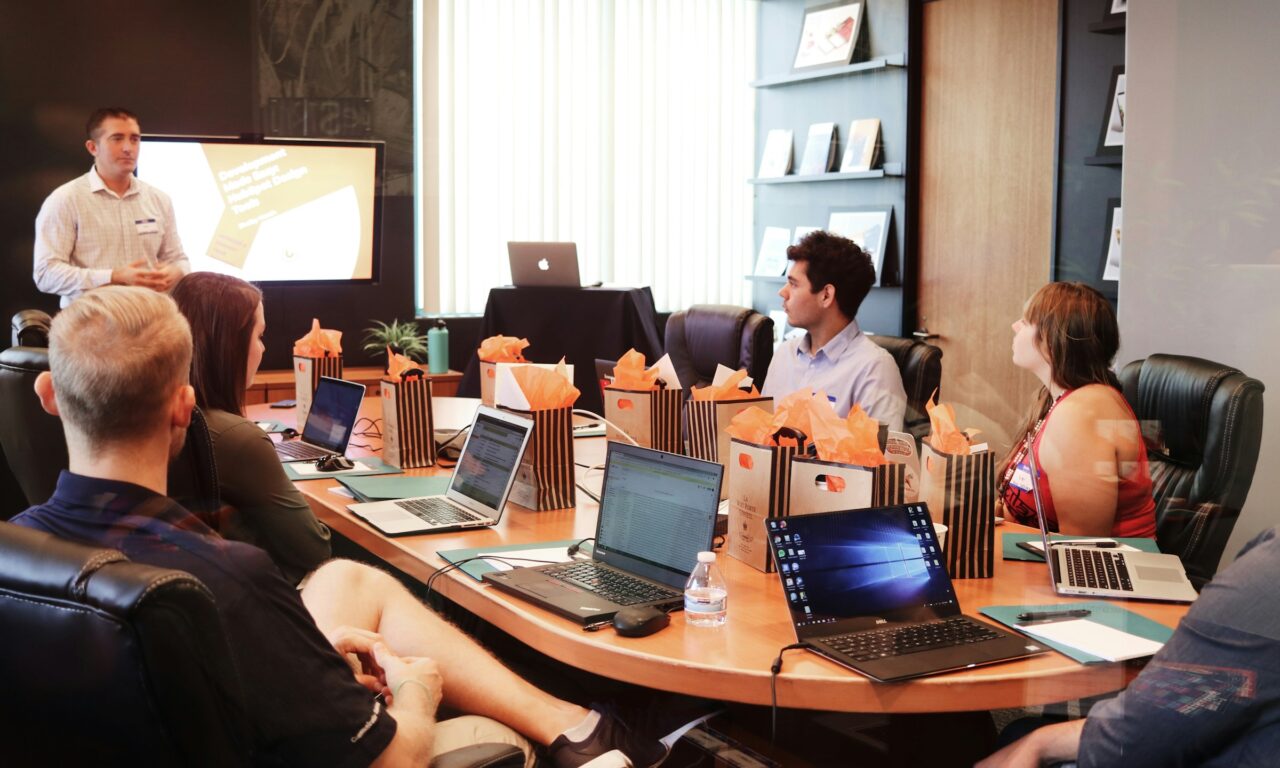
Dedicated conference and meeting spaces are essential. Soundproofed rooms eliminate distractions and ensure businesses can run meetings even when they are out of the office. That’s why spaces must accommodate different group sizes, to host small executive meetings to mid-sized presentations.
Every meeting room requires essential equipment. Large screens with seamless laptop connectivity are standard. Additionally, high-quality microphones and speakers are a must to ensure clear conference calls.
Business clients want to be able to get to work quickly. Fast and secure WiFi is mandatory. It must work immediately and without complication. It’s also a good idea to include extension hubs on conference tables.
Business guests measure value by convenience. If their tech setup works without effort, they return.
Elevate the Bedroom Experience
Corporate travelers spend long days in meetings, on flights, or navigating unfamiliar cities. Sleep quality matters.
A comfortable bedroom becomes a performance tool. Supportive mattresses, blackout curtains, controlled climate systems, and premium hotel pillows directly impact sleep quality.
Business guests notice the details, and comfortable bedrooms are likely to encourage return bookings.
Create a Social Space for Informal Networking
Conversations that begin in a conference room often continue over drinks.
A dedicated lounge or social space transforms your hotel from a place to sleep into a business hub. Comfortable seating and a calm atmosphere encourage post-event discussion. Offer a curated beverage selection, including quality soft drinks, both cold and warm. A snack menu can also encourage socializing and networking between business guests. As a rule of thumb, many business travelers seek quality refreshments that would match what is available in a thoughtful office kitchen:
- Water
- Coffee machines
- Tea kettle
- Healthy snacks
- Inclusive options for all dietary needs
This environment, just like the office kitchen, supports connection. When networking happens on-site, food and beverage revenue increases accordingly because that’s when guests can bond.
Prioritize Accessibility
Location determines booking decisions.
Corporate guests prioritize proximity to business districts, convention centers, and reliable transportation. Besides, easy access to major highways and public transit reduces travel stress. If the hotel is difficult to reach, it falls off the shortlist.
On-site parking is critical. Sufficient, clearly marked spaces remove uncertainty for guests arriving by car. Streamlined check-in and check-out processes reinforce efficiency.
Position for Long-Term Corporate Relationships
It pays off to build the foundation for business relationships early:
- Offer corporate rates.
- Develop partnerships with local companies.
- Provide account management for repeat clients.
Ultimately, independent hotels are more than able to outperform large chains when they combine unique targeting with quality execution. Where large brands rely on scale, independent properties win through precision.
Positioned correctly, your hotel does not compete on price. It competes on performance. And performance is what business travelers value most.
This is a contributed post.
Discover How We Help Startups Scale To 100,000 Users And Beyond.
Enter your info below, and we’ll send you a complimentary white paper that shows you exactly what you need to do to scale your startup.
